When people think of luxury jewellery, one name often shines brighter than the rest — Charles Lewis Tiffany.
He was not a king.
He was not a celebrity.
He was not involved in scandals or crime.
Yet, in a quiet but powerful way, he changed how the world sees luxury forever.
There was no public drama. No courtroom case. No shocking headlines.
But his influence created something more powerful — a debate that still exists today.
Did he create American luxury?
Or did he create the illusion of it?
The Birth of a Luxury Empire
In 1837, Charles Lewis Tiffany co-founded what would later become Tiffany & Co. in New York City.
At first, it was just a small store selling stationery and fancy goods.
But Tiffany had a vision. He understood something most businessmen at that time did not:
People do not just buy products.
They buy meaning.
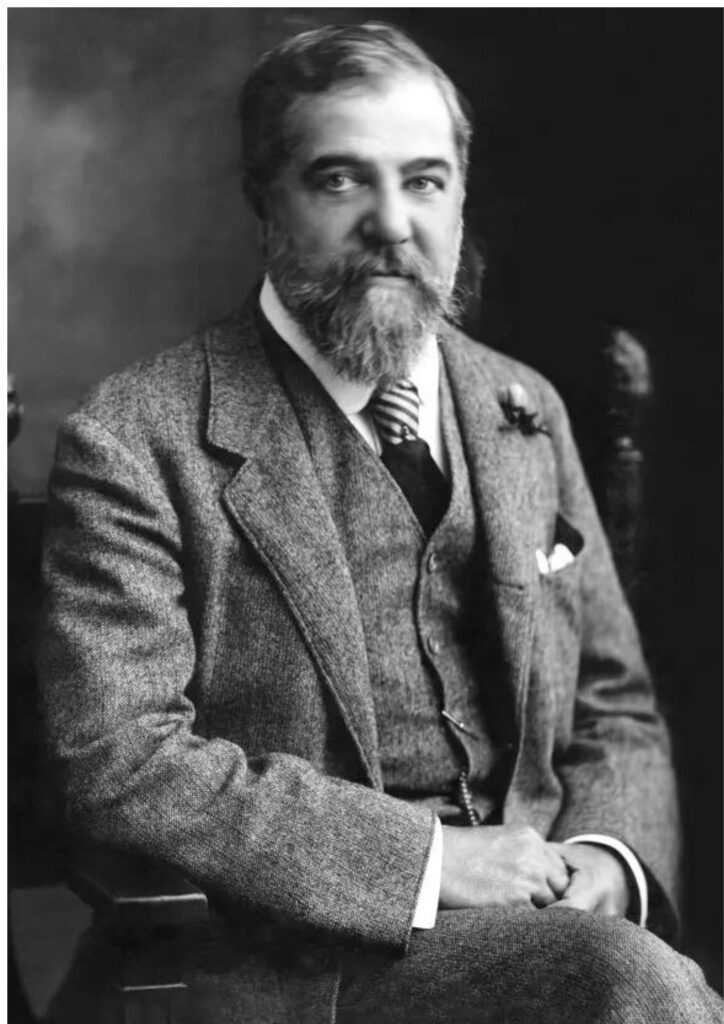
He slowly turned his company into a jewellery empire. Diamonds became his language. Silver became his statement. Quality became his promise.
But his greatest creation was not a diamond ring.
It was perception.
The Power of the Blue Box
One of the most powerful marketing tools in history is the Tiffany Blue Box.
That small, elegant blue package became more than packaging. It became emotion.
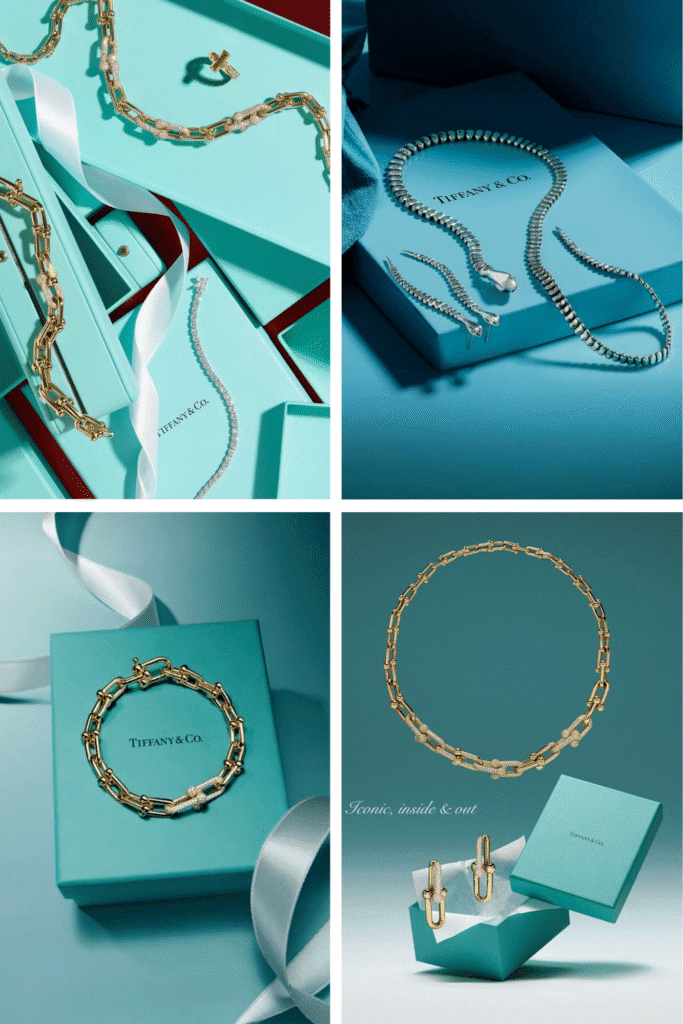
When someone receives that blue box, their heart beats faster. The moment feels important. It feels romantic. It feels expensive.
Here is the controversial question:
Is the value in the diamond?
Or is the value in the feeling?
Charles Lewis Tiffany understood that emotion can increase value more than materials ever could.
That is marketing genius.
But it also opens the door to criticism.
Father of American Luxury — Or Master of Branding?
Many historians call Charles Lewis Tiffany the “Father of American Luxury.”
And in many ways, he was.
Before him, Europe dominated the luxury market. Fine jewellery was associated with Paris and London. Tiffany made Americans believe that luxury could be born in the United States.
That was revolutionary.
But here is where the controversy begins.
Some critics argue that Tiffany did something bigger than selling jewellery. He created a system where branding could outweigh substance.
He taught customers that:
- A name increases value.
- A box increases desire.
- A story increases the price.
And once branding becomes stronger than material value, luxury becomes psychological.
Was this innovation?
Or was it manipulation?
That is the debate.
The Emotional Price of Luxury
Diamonds have intrinsic value. They are rare. They are beautiful. They require labor and expertise.
But why does one diamond cost thousands more than another similar one?
Often, the answer is branding.
Charles Lewis Tiffany did not just sell gemstones. He sold:
- Love
- Commitment
- Status
- Success
- Social position
When a man bought a Tiffany ring, he was not just buying a diamond. He was buying proof of his worth.
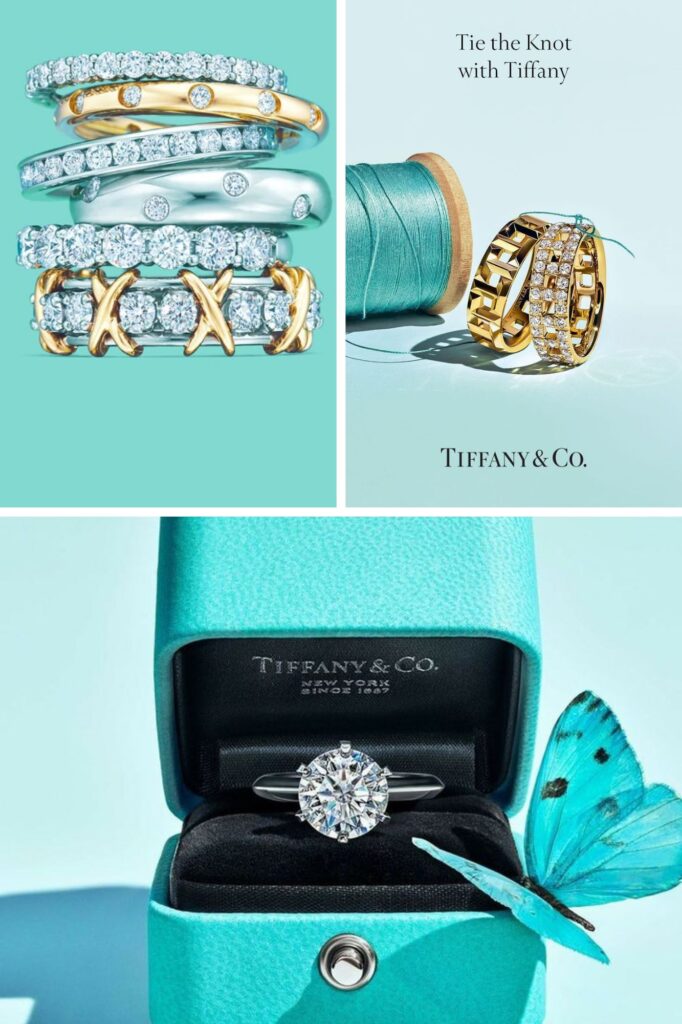
This changed consumer psychology forever.
Jewellery became emotional currency.
And once emotion enters pricing, logic slowly exits.
That is powerful.
And slightly dangerous.
The Great Diamond Hoax Controversy
One of the historical controversies connected to Charles Lewis Tiffany relates to a famous 1870s fraud known as the Great Diamond Hoax.
The Fake Diamond Mine
In the early 1870s, two men claimed they had discovered a massive diamond mine in the United States. They showed investors bags filled with diamonds and other precious stones as proof of their discovery.
To verify the authenticity of these gems, the investors asked Charles Lewis Tiffany, a respected jeweler and founder of Tiffany & Co., to examine the stones and provide a professional appraisal.
Tiffany’s Big Mistake
After examining the gems, Tiffany estimated their value at around $150,000, which made the discovery appear legitimate. Because Tiffany was widely regarded as one of the most trusted diamond experts in America, many wealthy investors believed the mine was genuine and invested large sums of money.
The Truth Revealed
Later investigations revealed that the diamond mine was completely fake. The scammers had secretly “salted” the land by spreading cheap gems purchased in Europe across the area to make it appear as if diamonds naturally existed there.
Why It Became Controversial
The scandal became controversial because Tiffany’s appraisal helped convince investors that the mine was real. Additionally, he had personally invested in the project, which created a potential conflict of interest.
However, historians generally believe that Tiffany was not involved in the fraud intentionally and that the incident was more likely a professional misjudgment rather than deliberate wrongdoing.
The Civil War Question
During the American Civil War (1861–1865), businesses across the country faced ethical challenges. Gold prices fluctuated heavily. Some merchants were accused of benefiting from market instability.
There were discussions around whether luxury merchants, including those in the jewellery business, indirectly benefited from economic chaos.
There is no strong evidence that Charles Lewis Tiffany committed wrongdoing.
But the era itself raises an important point:
Can luxury thrive during a national struggle?
Should high-end businesses profit while a nation suffers?
This question still applies today in modern global crises.
Creating Desire: His Greatest Invention
Jewellery shines under light.
But Charles Lewis Tiffany proved something deeper.
Jewellery shines brighter under desire.
He understood aspiration.
He made people want what they did not previously need.
Before Tiffany, diamonds were rare but not universally expected for engagement.
After Tiffany, diamonds became a symbol of commitment.
That shift was not accidental.
It was strategic.
And here lies the true controversy:
Did he create tradition?
Or did he design it?
Branding vs Substance: The Modern Debate
Today, luxury brands across the world follow the blueprint Tiffany built.
High-end packaging.
Storytelling.
Emotional branding.
Exclusivity.
From fashion to watches to handbags, modern luxury depends more on perception than material cost.
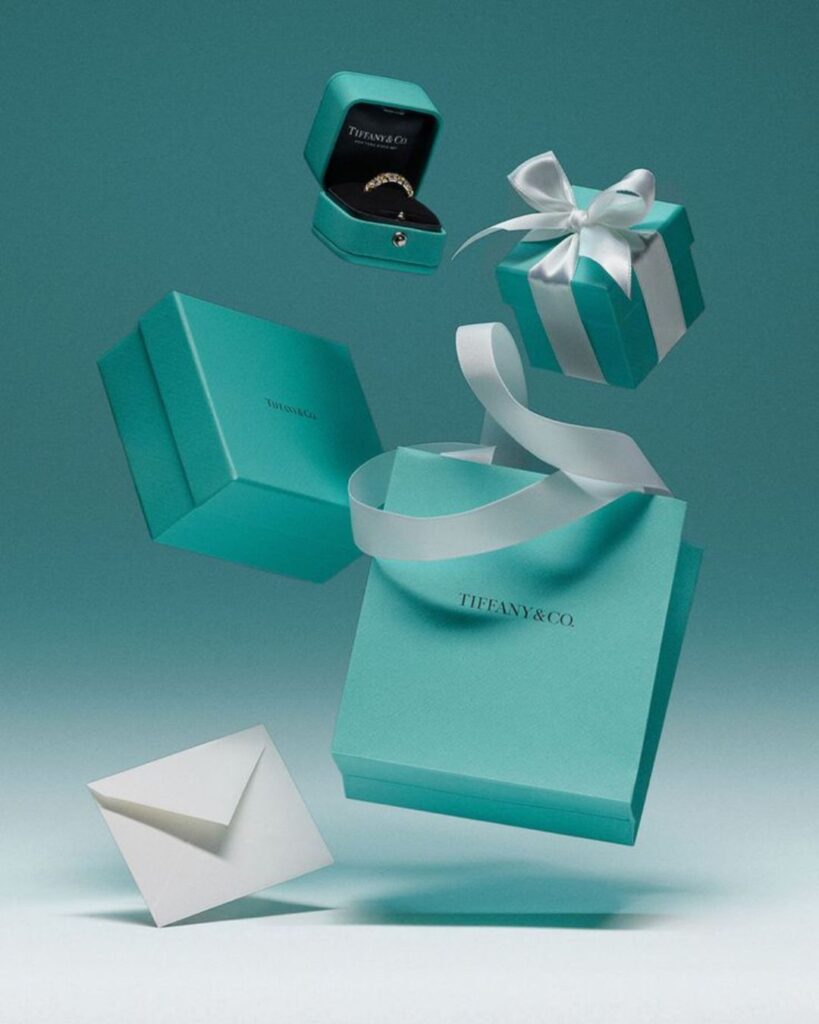
Was Charles Lewis Tiffany the architect of this system?
Possibly.
If so, he didn’t just create a jewellery company.
He created a marketing philosophy:
Perceived value can exceed real value.
For digital marketers and ecommerce entrepreneurs, this lesson is gold.
But ethically, it raises questions.
At what point does branding become an illusion?
At what point does storytelling become exaggeration?
Genius or Illusionist?
Let’s be clear.
Charles Lewis Tiffany was a visionary. He built one of the most respected luxury brands in the world. He set high standards for quality. He introduced fixed pricing when bargaining was common. He valued craftsmanship.
These are admirable achievements.
Yet his true power was psychological.
He understood human desire better than most philosophers.
He knew people wanted:
- To feel special.
- To feel elevated.
- To feel chosen.
- To feel admired.
Jewellery became the shortcut to those feelings.
And once desire is attached to an object, price becomes secondary.
That insight built an empire.
Why This Controversy Still Matters Today
In today’s ecommerce world, branding is everything.
Small jewellery brands compete not only on product but also on:
- Instagram aesthetics
- Packaging experience
- Brand storytelling
- Influencer marketing
- Emotional messaging
Every modern jewellery entrepreneur is, in some way, using Tiffany’s blueprint.
But consumers today are smarter.
They ask:
- Where are the diamonds sourced?
- Is the price justified?
- Is this ethical?
- Is the brand authentic?
The line between branding and authenticity is thin.
Charles Lewis Tiffany may not have faced scandal headlines.
But he sparked a bigger conversation:
How much of luxury is real?
And how much is constructed?
Final Thoughts: The Man Who Sold Dreams
Charles Lewis Tiffany did not sell just jewellery.
He sold dreams inside a blue box.
He did not force people to buy.
He made them want to.
And perhaps that is his most powerful creation of all.
He reshaped American luxury.
He built emotional branding before marketing textbooks existed.
He proved that perception can sparkle brighter than diamonds.
Was he controversial?
Not in crime.
Not in a scandal.
But in influence.
And sometimes, influence is more powerful than any headline.
Follow us on:https://www.instagram.com/jewelearth.in/
Leave a Comment
Your email address will not be published. Required fields are marked *